Paramedical & Allied Health Sciences

We believe that building a strong healthcare system starts with developing skilled professionals in Paramedical and Allied Health Sciences. Our programs are designed to deliver a solid academic foundation, hands-on practical training, and ethical values that prepare students for successful careers in today’s rapidly evolving healthcare industry.

With access to modern laboratories, clinical facilities, and real-world hospital environments, students gain practical exposure across medical laboratory technology, imaging, radiation sciences, operation theatre technology, hospital administration, and allied clinical services. This integrated learning approach ensures graduates develop technical expertise, confidence, and the compassion needed to make a meaningful impact on patient care.

B.Sc. Radiation Therapy Course

The B.Sc. in Radiation Therapy is a specialized undergraduate program that prepares students for a meaningful career in cancer care. Open to students who have completed 12th / II PUC / +2 in the Science stream, the course blends medical sciences with advanced technology to train students in delivering safe, accurate, and effective radiation treatments. The program follows a 3-year academic curriculum along with a 1-year compulsory clinical internship, ensuring strong theoretical knowledge and real-world clinical competence.

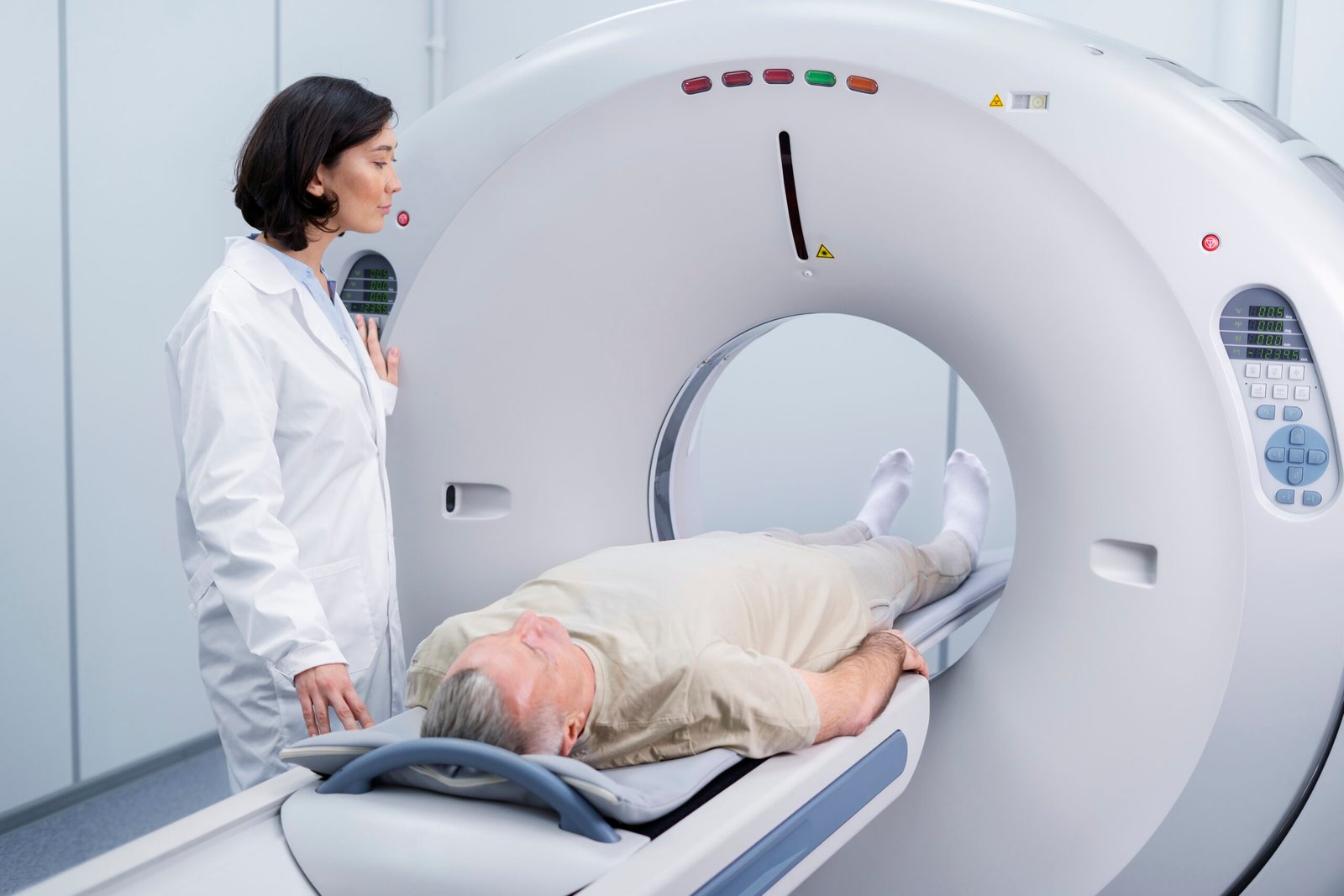
Radiation therapy is a vital component of modern cancer treatment, creating strong demand for skilled professionals across hospitals, oncology centers, and research institutions. Students gain in-depth understanding of radiobiology, anatomy, radiation physics, and treatment planning, along with hands-on training on advanced radiotherapy equipment such as LINAC. With practical exposure in reputed oncology hospitals and global career opportunities after certification, this program offers a high-impact pathway for those who wish to combine compassion, precision, and technology to improve patient outcomes.

  1. Growing demand for skilled professionals due to rising cancer cases globally.
  2. Opportunity to work with modern technology in cancer care.
  3. Direct contribution to patient recovery and well-being.
  4. Opens pathways for higher studies like M.Sc. in Radiation Therapy or Medical Physics.
  5. Strong job security and global career opportunities.
  1. Operation of advanced radiotherapy machines.
  2. Planning and execution of precise radiation treatments.
  3. Patient care and counseling with empathy.
  4. Application of radiation safety protocols.
  5. Ability to work effectively as part of a healthcare team.
  6. Strong analytical and problem-solving skills in oncology care.
  1. Radiobiology
  2. Physics of Radiation
  3. Human Anatomy & Physiology
  4. Treatment Planning
  5. Radiation Protection & Safety Protocols

Graduates of this course are eligible for:

  1. National-level licensing examinations in radiotherapy.
  2. Registration with health councils for professional recognition.
  3. International certifications in radiation safety and oncology care, enhancing global employability.
  1. Radiation Therapy Technologist in hospitals and cancer centers
  2. Medical Imaging & Radiotherapy Specialist
  3. Clinical Research Associate in oncology studies
  4. Teaching/Academia in allied health sciences
  5. Advanced studies in Radiation Therapy, Medical Physics, or related fields
  6. International healthcare opportunities with additional certifications
  1. Blend of academic study and practical training
  2. Exposure to cutting-edge radiotherapy equipment like LINAC
  3. Clinical internship at reputed oncology hospitals
  4. Strong focus on patient care and safety
  5. Eligibility for national and international certifications
  6. Builds both technical expertise and communication skills
  1. To prepare skilled radiation therapy technologists ready for real-world oncology practice.
  2. To develop expertise in radiobiology, anatomy, and radiation physics.
  3. To train students in treatment planning and the safe handling of radiation equipment.
  4. To encourage patient-centered, ethical healthcare practices.
  5. To build confidence and competence for global career opportunities.

Total Duration: 4 years

    1. 3 years of academic study
    2. 1year compulsory clinical internship in oncology hospitals

B.Sc. Medical Laboratory Technology

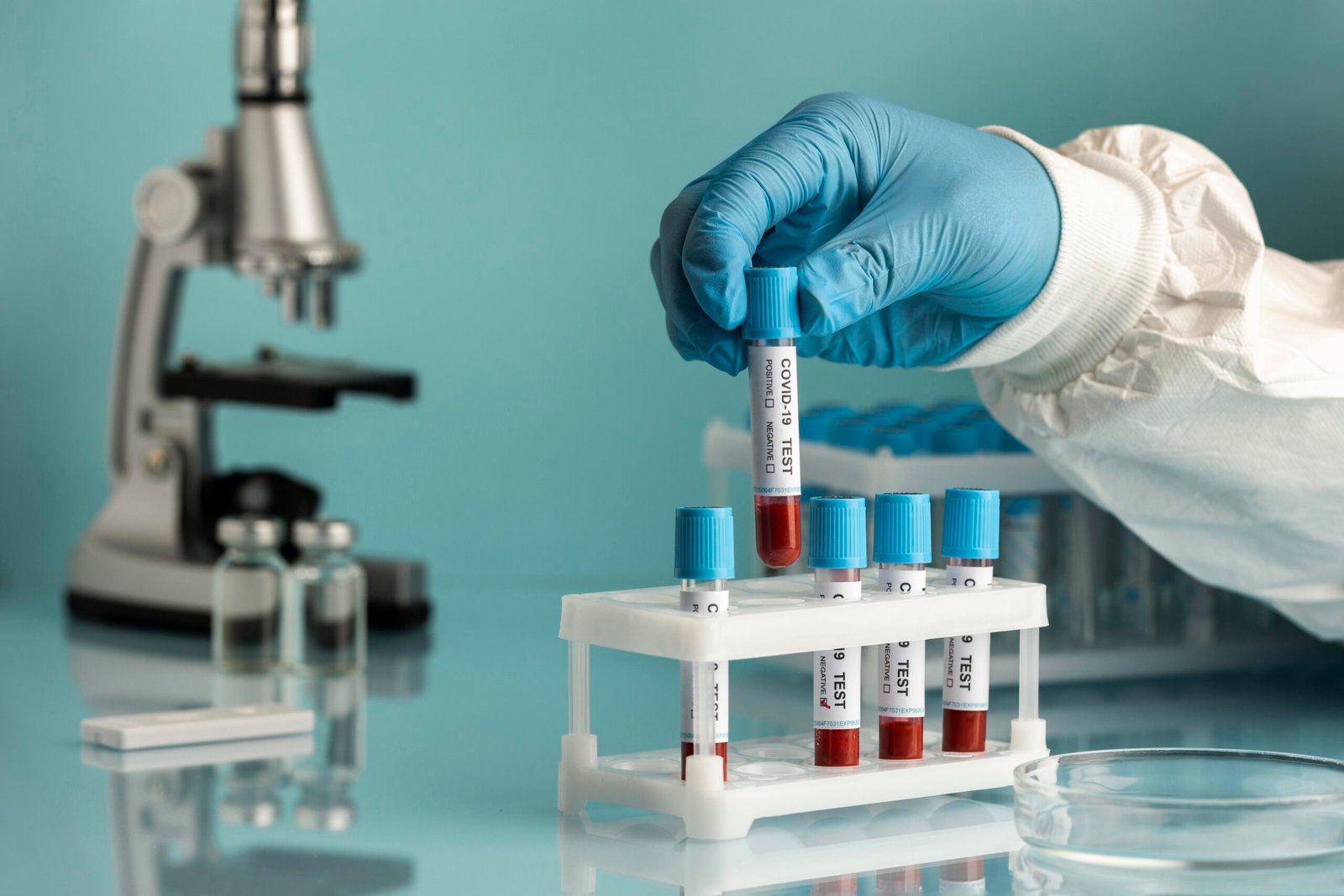
The B.Sc. in Medical Laboratory Technology (MLT) is a specialized undergraduate program designed for students who have completed their II PUC / 12th Std / +2 in the Science stream. This course is the gateway for those who wish to build a career in diagnostic healthcare—where accurate test results form the foundation of effective treatment.

Spanning 3 years of academic study followed by 1 year of compulsory clinical internship, this program trains students to perform diagnostic tests, analyze samples, operate laboratory instruments, and ensure the smooth functioning of medical labs in hospitals, clinics, and research centers.

Medical Laboratory Technology is often called the “backbone of healthcare”, as it provides critical information that helps doctors diagnose and treat diseases. With healthcare expanding rapidly in India and abroad, the demand for skilled medical laboratory technologists is higher than ever.

  1. High demand for trained MLT professionals in hospitals, diagnostic labs, and research facilities.
  2. Opportunity to work in both government and private healthcare sectors.
  3. Direct contribution to accurate diagnosis and treatment outcomes.
  4. Pathway for higher studies such as M.Sc. MLT, Molecular Biology, or Clinical Research.
  5. Job opportunities not only in India but also in global healthcare systems.
  1. Precision in analyzing blood, urine, and tissue samples.
  2. Ability to prepare and generate accurate medical reports.
  3. Operation and maintenance of advanced diagnostic equipment.
  4. Knowledge of laboratory safety and quality assurance protocols.
  5. Strong observational and analytical skills.
  6. Teamwork and collaboration with doctors, nurses, and healthcare staff.
  1. Clinical Biochemistry
  2. Clinical Pathology
  3. Microbiology
  4. Hematology
  5. Immunology & Serology
  6. Histopathology
  7. Blood Banking & Transfusion Techniques
  8. Laboratory Management & Safety Protocols

Upon successful completion of the course, students are eligible for:

  1. Employment in diagnostic laboratories, hospitals, and healthcare institutions.
  2. Registration with state or national paramedical councils (where applicable).
  3. Eligibility to apply for specialized certification courses in diagnostic techniques.
  4. Opportunities for global certification, enabling careers abroad.

Graduates of B.Sc. MLT have diverse career opportunities, including:

  1. Medical Laboratory Technologist in hospitals and diagnostic centers
  2. Research Associate in medical and pharmaceutical labs
  3. Clinical Biochemist or Microbiologist (with specialization)
  4. Blood Bank Technologist
  5. Quality Control Analyst in biotech or pharma companies
  6. Teaching faculty in allied health science institutions
  7. Higher studies leading to roles in molecular diagnostics and clinical research
  1. Blend of classroom learning, laboratory practice, and internship experience
  2. Exposure to real-world diagnostic techniques and equipment
  3. Internship in reputed hospitals, diagnostic labs, and research facilities
  4. Focus on patient safety and accuracy in testing
  5. Pathways to national and international career opportunities
  6. Builds technical, analytical, and communication skills
  1. To train students to perform and interpret laboratory investigations with precision.
  2. To develop expertise in core areas such as pathology, microbiology, and biochemistry.
  3. To prepare graduates for diagnostic, clinical, and research-based roles in healthcare.
  4. To instill professionalism, ethics, and quality assurance practices in laboratory work.
  5. To build confidence for both independent practice and team-based healthcare environments.

Total Duration: 4 years

    1. 3 years of academic study
    2. 1 year compulsory clinical internship in diagnostic laboratories and hospitals

B.Sc. in Anesthesia and Operation Theatre Course

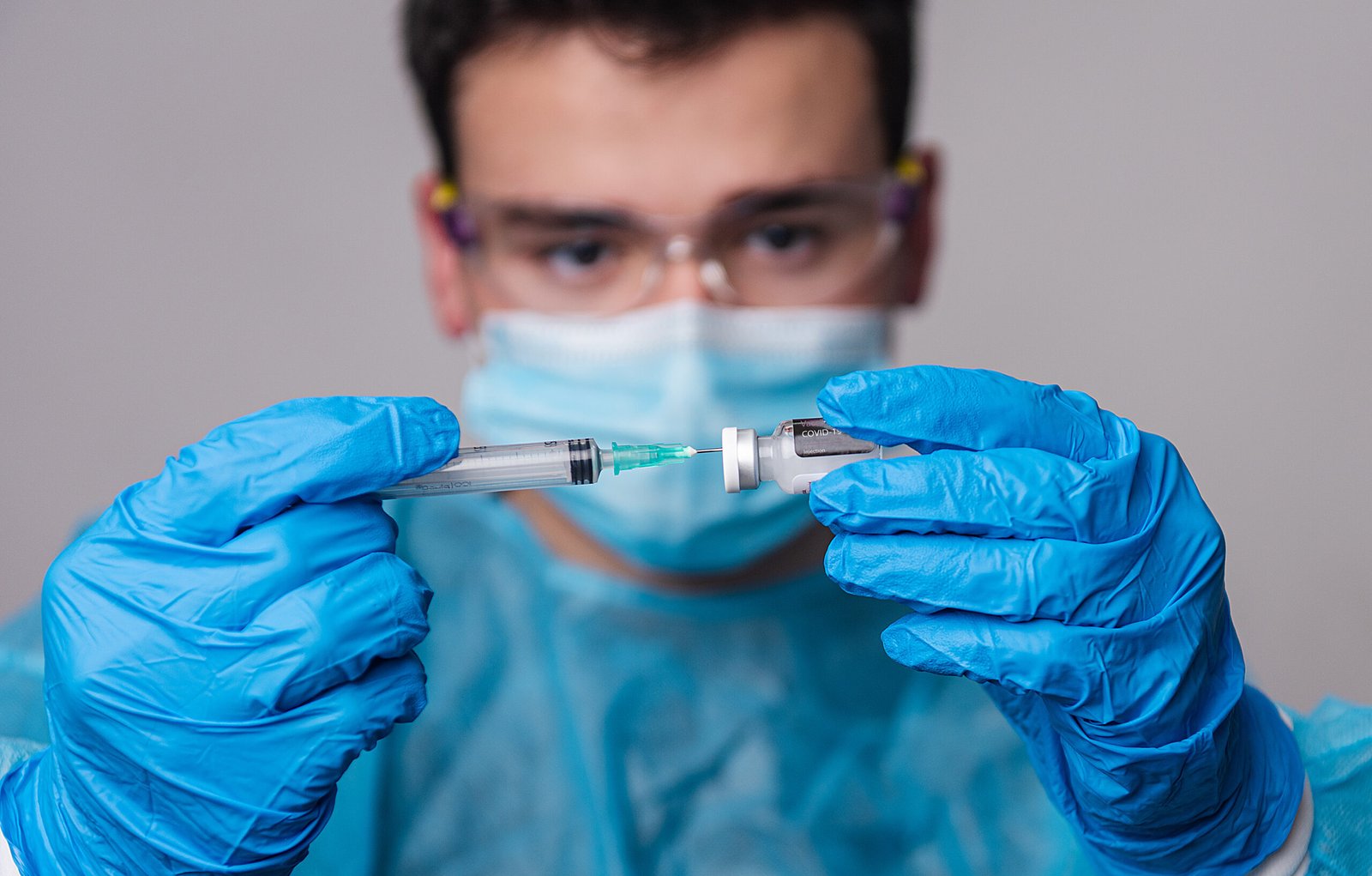
The B.Sc. in Anesthesia & Operation Theatre Technology is a specialized undergraduate program designed for students who have completed II PUC / 12th Std / +2 in the Science stream. This course equips students with the knowledge and technical expertise needed to assist in surgical procedures, administer anesthesia, and manage operation theatre functions effectively.

Over 3 years of academic learning and a 1-year compulsory clinical internship, students gain in-depth training in anesthesia techniques, surgical procedures, patient monitoring, and infection control. Graduates play a vital role in the smooth functioning of operating rooms, critical care units, and emergency settings.

  1. Growing demand for skilled anesthesia and operation theatre technologists in India and abroad.
  2. Opportunity to work in operation theaters, ICUs, emergency care, and surgical wards.
  3. A crucial role in supporting doctors and surgeons during life-saving procedures.
  4. Pathway for higher studies such as M.Sc. in Anesthesia Technology, Critical Care, or related fields.
  5. Stable career with diverse employment opportunities across healthcare sectors.
  1. Administration and monitoring of anesthesia during surgical procedures.
  2. Safe handling of anesthesia machines and surgical instruments.
  3. Infection control practices in operation theaters.
  4. Precision and focus in high-pressure surgical environments.
  5. Patient monitoring and post-operative care.
  6. Teamwork and communication in multidisciplinary healthcare teams.
  1. Anatomy & Physiology
  2. Principles of Anesthesia
  3. Surgical Procedures & Techniques
  4. Pharmacology related to Anesthesia
  5. Critical Care & Patient Monitoring
  6. Infection Control & Sterilization Techniques
  7. Operation Theatre Management

Graduates of this program are eligible for:

  1. Employment in hospitals, surgical centers, and intensive care units.
  2. Registration with paramedical councils (where applicable).
  3. Specialized certification programs in anesthesia technology and critical care.
  4. International licensing opportunities with additional qualifications.
  1. Anesthesia Technologist in hospitals and surgical centers
  2. Operation Theatre Technologist (OTT)
  3. Critical Care Technologist in ICUs and emergency wards
  4. Surgical Assistant in multidisciplinary teams
  5. Teaching and academic roles in allied health sciences
  6. Research Associate in anesthesia and surgical studies
  7. Higher studies leading to specialization in anesthesia or critical care
  1. Blend of theoretical knowledge and clinical practice
  2. Hands-on training in operation theaters and ICUs
  3. Internship in reputed multi-specialty hospitals
  4. Training in both surgical assistance and anesthesia technology
  5. Builds critical decision-making and patient monitoring skills
  6. Prepares students for global healthcare opportunities
  1. To train students in anesthesia administration and patient monitoring during surgeries.
  2. To provide technical expertise in managing operation theaters and surgical procedures.
  3. To ensure knowledge of infection control and sterilization protocols.
  4. To build strong teamwork and communication skills for surgical environments.
  5. To prepare competent professionals ready for both national and international healthcare systems.

Total Duration: 4 years

    1. 3 years of academic study
    2. 1 year compulsory clinical internship in operation theaters and critical care units

BHA (Bachelor of Hospital Administration) Course

The Bachelors in Hospital Administration (BHA) is a 3-year undergraduate program plus 1 year of Honors designed for students aspiring to build a career in healthcare management. Unlike purely clinical courses, BHA focuses on the business, operational, and administrative aspects of hospitals and healthcare institutions.

This course equips students with expertise in healthcare laws, hospital operations, quality assurance, human resource management, and financial planning. Students also gain hands-on exposure to healthcare IT systems, budgeting, patient management, and hospital quality protocols, making them future-ready leaders in the healthcare industry.

Hospitals and healthcare institutions are complex organizations that require skilled administrators to ensure smooth day-to-day functioning. Doctors and nurses focus on patient care, while hospital administrators ensure that systems, resources, and staff are managed efficiently.

  1. Bridges the gap between healthcare and management.
  2. High career demand due to growth in hospitals, corporate healthcare, and medical tourism.
  3. Opens pathways to leadership roles in healthcare administration.
  4. Ideal for students from any stream (science, commerce, or arts) who wish to enter the healthcare industry.
  5. A stable, respected, and impactful career in one of the fastest-growing industries.
  1. Leadership and team management
  2. Decision-making and problem-solving
  3. Understanding of healthcare policies and hospital laws
  4. Budgeting and financial planning for healthcare institutions
  5. Patient service management and quality assurance
  6. Effective use of healthcare IT systems and digital records
  1. Healthcare Laws & Ethics
  2. Hospital and Healthcare Operations Management
  3. Human Resource Management in Healthcare
  4. Quality Management & Accreditation Standards
  5. Health Information Systems & IT in Healthcare
  6. Financial Management & Budgeting in Healthcare
  7. Strategic Planning and Hospital Administration

After completing BHA, graduates are prepared for:

  1. Roles in hospitals, healthcare startups, NGOs, and consulting firms.
  2. Certification programs in quality management, hospital accreditation, and healthcare IT.
  3. Eligibility for higher studies such as MBA in Hospital Administration, MPH (Public Health), or MHA (Master of Hospital Administration).
  4. International opportunities with additional certifications and training.

Graduates can explore diverse roles, such as:

  1. Hospital Administrator / Operations Manager
  2. Healthcare Consultant
  3. Quality Assurance Manager
  4. Healthcare HR Manager
  5. Medical Office Administrator
  6. Patient Care Coordinator
  7. Healthcare IT Manager
  8. Public Health Project Manager
  9. Entrepreneur in Healthcare Startups
  1. Non-clinical career option open to students from any stream
  2. Blend of management, healthcare, and IT training
  3. Hands-on internship in reputed hospitals and healthcare institutions
  4. Career opportunities in India and abroad
  5. Prepares for leadership roles in the rapidly growing healthcare industry
  6. Pathway for higher studies like MHA, MBA (Hospital Administration), MPH
  1. To develop skilled professionals capable of managing hospital operations efficiently.
  2. To build strong leadership, communication, and problem-solving skills.
  3. To train students in healthcare IT systems, budgeting, and patient care protocols.
  4. To ensure knowledge of hospital accreditation, laws, and healthcare policies.
  5. To prepare graduates for both national and global healthcare management opportunities.

Total Duration: 4 years

    1. 3 years of academic study
    2. 1 year Honors with internship and project-based learning

B.Sc. Medical Imaging Technology Course

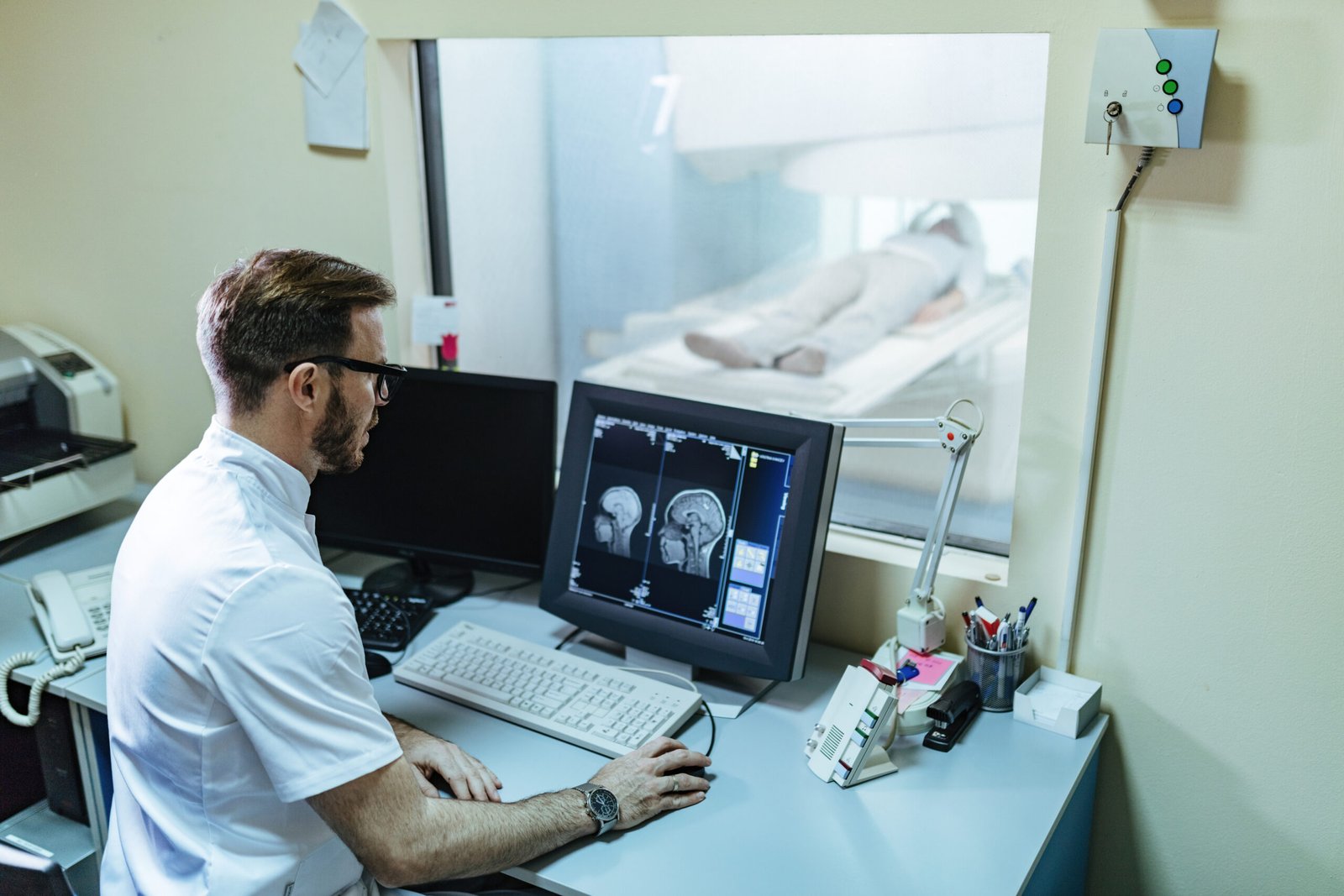
The B.Sc. in Medical Imaging Technology is a 3-year undergraduate program + 1-year Honors designed for students who want to pursue a career in advanced medical diagnostics. This program trains students in the use of modern imaging technologies such as X-ray, CT Scan, MRI, and Ultrasound to aid accurate diagnosis and treatment.

By combining theoretical knowledge with hands-on clinical training, students gain the technical expertise needed to operate imaging equipment, ensure radiation safety, and produce high-quality diagnostic images that guide doctors in patient care.

Medical imaging plays a crucial role in modern healthcare—doctors rely on precise images to diagnose illnesses, plan treatments, and monitor recovery. With rising demand for diagnostic imaging in hospitals and diagnostic centers, the need for skilled imaging technologists has grown exponentially.

  1. Rapid growth in diagnostic imaging across the globe.
  2. High demand for trained imaging technologists in India and abroad.
  3. Access to both government and private healthcare opportunities.
  4. A career that combines healthcare service, technology expertise, and patient interaction.
  5. Scope for advanced studies like M.Sc. in Medical Imaging, Radiology, or Nuclear Medicine.
  1. Operation of imaging equipment: X-ray, CT, MRI, Ultrasound.
  2. Radiation safety and patient protection.
  3. Image interpretation basics and report preparation.
  4. Technical troubleshooting of imaging systems.
  5. Communication and patient care skills during diagnostic procedures.
  6. Team collaboration with doctors, radiologists, and healthcare staff.
  7.  
  1. Anatomy & Physiology
  2. Physics of Imaging & Radiation
  3. Radiographic Techniques
  4. CT & MRI Technology
  5. Ultrasound Imaging
  6. Radiation Protection & Safety Protocols
  7. Image Processing & Quality Assurance

After completing this program, graduates are eligible for:

  1. Work in hospitals, diagnostic centers, and healthcare institutions.
  2. Certification courses in advanced imaging (MRI, CT, Ultrasound).
  3. Registration with healthcare councils (where applicable).
  4. Eligibility for international opportunities with additional licensing.

Graduates can explore multiple career paths, such as:

  1. Radiology/Imaging Technologist
  2. MRI/CT Scan Specialist
  3. Sonographer (Ultrasound)
  4. Radiation Safety Officer
  5. Application Specialist for Imaging Equipment Companies
  6. Research Assistant in medical imaging
  7. Teaching roles in allied health sciences colleges
  1. Training in advanced imaging equipment (X-ray, CT, MRI, Ultrasound)
  2. Strong foundation in radiation physics and patient safety
  3. Compulsory internship in hospitals and diagnostic centers
  4. Hands-on exposure to modern diagnostic technology
  5. Prepares for both national and global healthcare careers
  6. Pathways for higher studies and specialization
  1. To train students in modern diagnostic imaging techniques.
  2. To develop expertise in radiation safety and patient care.
  3. To prepare students for technical and administrative roles in imaging departments.
  4. To build analytical and problem-solving skills for healthcare environments.
  5. To create professionals ready to contribute to medical diagnosis and treatment planning.

Total Duration: 4 years

    1. 3 years of academic study
    2. 1 year compulsory clinical internship in diagnostic centers and hospitals

B.Sc. in Cardiac Care Course

The B.Sc. in Cardiac Care Technology is a 3-year undergraduate degree with 1-year Honors internship designed for students who want to specialize in cardiac sciences and heart healthcare technology. This course trains students in diagnosing, monitoring, and managing patients with cardiovascular conditions, as well as handling advanced cardiac care equipment.

With heart diseases on the rise, skilled cardiac technologists are in high demand to support cardiologists, surgeons, and critical care teams in hospitals and cardiac centers.

The heart is one of the most vital organs, and its care requires precision and expertise. Cardiac technologists are essential members of healthcare teams, assisting in diagnostic tests like ECG, echocardiography, and stress tests, as well as providing support during cardiac surgeries and critical interventions.

  1. Growing need for cardiac technologists due to increasing heart disease cases.
  2. High employability in hospitals, diagnostic labs, and cardiac centers.
  3. Direct involvement in life-saving procedures and patient care.
  4. Opportunity for higher studies such as M.Sc. in Cardiac Care Technology, Cardiovascular Imaging, or Critical Care.
  5. A rewarding career that combines patient interaction, technology, and clinical expertise.
  1. Proficiency in ECG, echocardiography, and stress test techniques.
  2. Patient monitoring during cardiac procedures.
  3. Operation and maintenance of advanced cardiac equipment.
  4. Critical decision-making in emergency and ICU settings.
  5. Teamwork and communication with cardiologists and surgeons.
  6. Knowledge of cardiac pharmacology and healthcare ethics.
  1. Anatomy & Physiology (Cardiac-focused)
  2. Basics of Cardiology & Cardiac Diseases
  3. Electrocardiography (ECG) & Echocardiography
  4. Cardiac Catheterization Techniques
  5. Critical Care & Patient Monitoring
  6. Pharmacology related to Cardiology
  7. Emergency Cardiac Care & Life Support

Graduates of this program are eligible for:

  1. Employment in hospitals, diagnostic centers, and cardiac institutes.
  2. Specialized certifications in cardiac imaging, critical care, or echocardiography.
  3. Registration with healthcare councils (where applicable).
  4. International opportunities with additional licensing exams.

Graduates can explore multiple career paths, such as:

  1. Cardiac Technologist in hospitals and cardiac centers
  2. Echocardiography or ECG Specialist
  3. Cardiac Catheterization Lab Technologist
  4. Cardiac ICU Technologist
  5. Academic roles in allied health sciences
  6. Research Assistant in cardiology studies
  7. Higher studies in Cardiac Care or Hospital Administration
  1. Focused training on heart health and cardiac procedures
  2. Hands-on training with advanced cardiac diagnostic equipment
  3. Internship in top cardiac hospitals and ICUs
  4. Career opportunities across India and abroad
  5. Pathways for higher studies and specialization in cardiology-related fields
  6. Blend of technology, patient care, and emergency response skills
  1. To develop expertise in cardiac diagnostics and patient monitoring.
  2. To train students in advanced equipment like ECG, echocardiography, and catheterization.
  3. To prepare students for emergency cardiac care and life-saving interventions.
  4. To build teamwork, problem-solving, and patient-centered skills.
  5. To create professionals who can support cardiologists and surgeons in high-pressure environments.

Total Duration: 4 years

    1. 3 years of academic study
    2. 1 year compulsory internship in cardiac hospitals and ICUs

B.Sc. Occupational Therapy Course

The B.Sc. in Occupational Therapy is a 3-year undergraduate program with a 1-year compulsory internship designed for students interested in helping individuals regain independence and improve quality of life after illness, injury, or disability. Occupational therapy focuses on enabling people to carry out daily activities, whether at home, work, or school, through rehabilitation, therapy, and adaptive techniques.

This program equips students with the knowledge of anatomy, psychology, rehabilitation sciences, and assistive technology, along with clinical training to prepare them for diverse healthcare and community settings.

Occupational Therapy (OT) is a patient-centered, holistic profession that goes beyond treatment, it empowers individuals to live life fully despite challenges. As healthcare shifts toward rehabilitation and wellness, demand for occupational therapists continues to grow worldwide.

  1. High global demand due to increasing focus on rehabilitation and mental health.
  2. Direct involvement in patient recovery and community health.
  3. Opportunities to work with children, elderly, and patients with special needs.
  4. A blend of medical knowledge, psychology, and creative problem-solving.
  5. Scope for higher studies such as M.Sc. in Occupational Therapy, Rehabilitation Sciences, or Public Health.
  1. Designing therapy plans for patients with physical, emotional, or developmental challenges.
  2. Patient assessment and progress evaluation.
  3. Use of assistive devices and adaptive technologies.
  4. Knowledge of psychology and human development.
  5. Strong communication, empathy, and problem-solving skills.
  6. Rehabilitation and community-based therapy techniques.
  1. Anatomy & Physiology
  2. Psychology & Human Development
  3. Fundamentals of Occupational Therapy
  4. Rehabilitation Sciences
  5. Orthopedics & Neurology for Therapists
  6. Assistive Devices & Adaptive Technology
  7. Community Health & Social Medicine

Upon graduation, students are eligible for:

  1. Registration with national paramedical/therapy councils (where applicable).
  2. Employment in hospitals, rehabilitation centers, and special schools.
  3. Specialized certifications in pediatrics, neurology, mental health, or geriatric care.
  4. Eligibility to apply for international licensing exams for practice abroad.

Graduates of B.Sc. Occupational Therapy can pursue roles such as:

  1. Occupational Therapist in hospitals or private clinics
  2. Rehabilitation Specialist in NGOs and community centers
  3. Pediatric or Geriatric Therapist
  4. Mental Health Therapist
  5. Ergonomic Consultant in workplaces
  6. Academic or research roles in rehabilitation sciences
  7. Entrepreneur (therapy centers, wellness centers)
  1. A patient-centered career focused on improving quality of life
  2. Combines healthcare, psychology, and rehabilitation sciences
  3. Practical internship in hospitals, therapy centers, and community programs
  4. High international demand for qualified occupational therapists
  5. Career flexibility across healthcare, education, and community settings
  6. Strong foundation for higher studies and global career pathways
  1. To train students in assessing and treating patients with physical, emotional, or social challenges.
  2. To develop therapeutic skills using evidence-based methods.
  3. To build expertise in adaptive technologies and rehabilitation sciences.
  4. To prepare students for diverse roles in hospitals, schools, and community healthcare.
  5. To nurture professionals who combine empathy, creativity, and science to improve lives.

Total Duration: 4 years

    1. 3 years of academic study
    2. 1 year compulsory internship with clinical and community-based training

B.Sc. Emergency Medical Technology Course

The B.Sc. in Emergency Medical Technology is a 3-year undergraduate program with a 1-year compulsory clinical internship designed for students aspiring to work in emergency care and critical medical response. Emergency Medical Technologists are the first line of healthcare professionals during life-threatening situations such as accidents, cardiac arrests, trauma, or medical emergencies.

This program trains students in advanced life support, trauma care, patient stabilization, and emergency response protocols, preparing them to play a vital role in saving lives in hospitals, ambulances, and disaster sites.

  1. High demand for emergency medical technologists in India and abroad.
  2. Provides global career opportunities with scope for licensing and higher studies.
  3. Allows you to work alongside doctors, nurses, and paramedics in real-time emergency situations.
  4. Offers personal and professional satisfaction by directly impacting patient survival.
  1. Advanced trauma life support (ATLS) and basic life support (BLS).
  2. Airway management and patient stabilization.
  3. Critical care monitoring and emergency procedures.
  4. Quick decision-making in high-pressure situations.
  5. Teamwork and coordination in emergency units.
  6. Knowledge of emergency drugs, equipment, and protocols
  1. Anatomy & Physiology
  2. Emergency Medicine Fundamentals
  3. Trauma & Disaster Management
  4. Critical Care & Intensive Care Medicine
  5. Pharmacology for Emergency Medicine
  6. Cardiac Care & Life Support Systems
  7. Emergency Procedures & Patient Transport

Graduates of B.Sc. Emergency Medical Technology are eligible for:

  1. Registration with national paramedical councils (as applicable).
  2. Employment in hospitals, emergency services, ICUs, and trauma centers.
  3. Advanced certifications like ACLS (Advanced Cardiovascular Life Support), BLS (Basic Life Support), PALS (Pediatric Advanced Life Support).
  4. International licensing exams for opportunities abroad.

Graduates of B.Sc. Occupational Therapy can pursue roles such as:

  1. Emergency Medical Technologist in hospitals and trauma centers
  2. Paramedic or Ambulance Emergency Responder
  3. ICU or Critical Care Specialist
  4. Disaster Management Specialist
  5. Emergency Department Coordinator
  6. EMS Educator or Trainer
  7. Roles in NGOs, rescue operations, and global healthcare organizations
  1. Learn advanced emergency response and life-saving techniques
  2. Training in ICUs, trauma wards, and emergency departments
  3. Compulsory clinical internship for real-world exposure
  4. Certifications in BLS, ACLS, and trauma care included
  5. Strong demand in both India and international healthcare systems
  6. A career that directly saves lives and makes an immediate impact
  1. To train students in handling medical emergencies with speed and accuracy.
  2. To develop expertise in trauma care, patient stabilization, and critical monitoring.
  3. To provide skills in using advanced emergency equipment and life-support systems.
  4. To prepare students for roles in hospitals, emergency services, and disaster response.
  5. To nurture confident, skilled professionals capable of working under extreme pressure.

Total Duration: 4 years

    1. 3 years of academic study
    2. 1 year compulsory internship in emergency care and critical units

Get a Free Counselling!

Call Now